
Search Louisiana Traffic Ticket Records
Louisiana traffic ticket records are public documents held by parish Clerks of Court and the Louisiana Office of Motor Vehicles. Each of the 64 parishes processes citations from local police, parish sheriffs, and Louisiana State Police. You can search these records online through parish clerk portals, request your official driving record from the OMV, or visit courthouses across the state. Whether you need to look up a specific ticket, check a case status, or pull your full driving history, Louisiana has several ways to get there.
Louisiana Traffic Ticket Records Quick Facts
Where to Find Louisiana Traffic Ticket Records
Traffic ticket records in Louisiana are split between two main systems. The parish Clerk of Court keeps case files for every citation filed in that parish. These files hold the original ticket, any court dates set by the judge, and the final outcome of the case. Each of the 64 parishes runs its own Clerk of Court office. That office is your primary stop when you need the actual case record for a specific ticket.
The second key source is the Louisiana Office of Motor Vehicles, which is part of the Department of Public Safety and Corrections. The OMV keeps an Official Driving Record for every licensed driver in the state. This record shows all traffic convictions, accident reports, license status changes, and DWI events. Under Louisiana law, courts must send conviction abstracts to the OMV within 30 days of a final decision. This requirement comes from R.S. 32:393, which requires every court in the state, including municipal and mayor's courts, to keep a full report of each traffic case. The two systems work together to create a complete picture of any driver's history.
The Louisiana Department of Public Safety and Corrections maintains overall oversight of traffic records statewide.
Check the DPS website for links to the OMV, state police resources, and other public safety tools related to traffic records.
Louisiana OMV Traffic Ticket Records
The OMV runs the state's official driving record system. You can request your Official Driving Record through the OMV's online platform. The online cost is $16 plus a $2 electronic service charge, totaling $18. By mail or in person at an OMV office, the cost drops to $15. You need your full name, date of birth, driver's license number, and license class to make a request.
The ExpressLane online portal lets you request your driving record from home. Records purchased online are sent by email as a PDF. They are not certified copies. For a certified record, you must visit an OMV office in person. Locations with in-person service include Alexandria, Baton Rouge, Lake Charles, Monroe, and Shreveport. Mail requests go to: Office of Motor Vehicles, Attention: ODR, P.O. Box 64886, Baton Rouge, LA 70896.
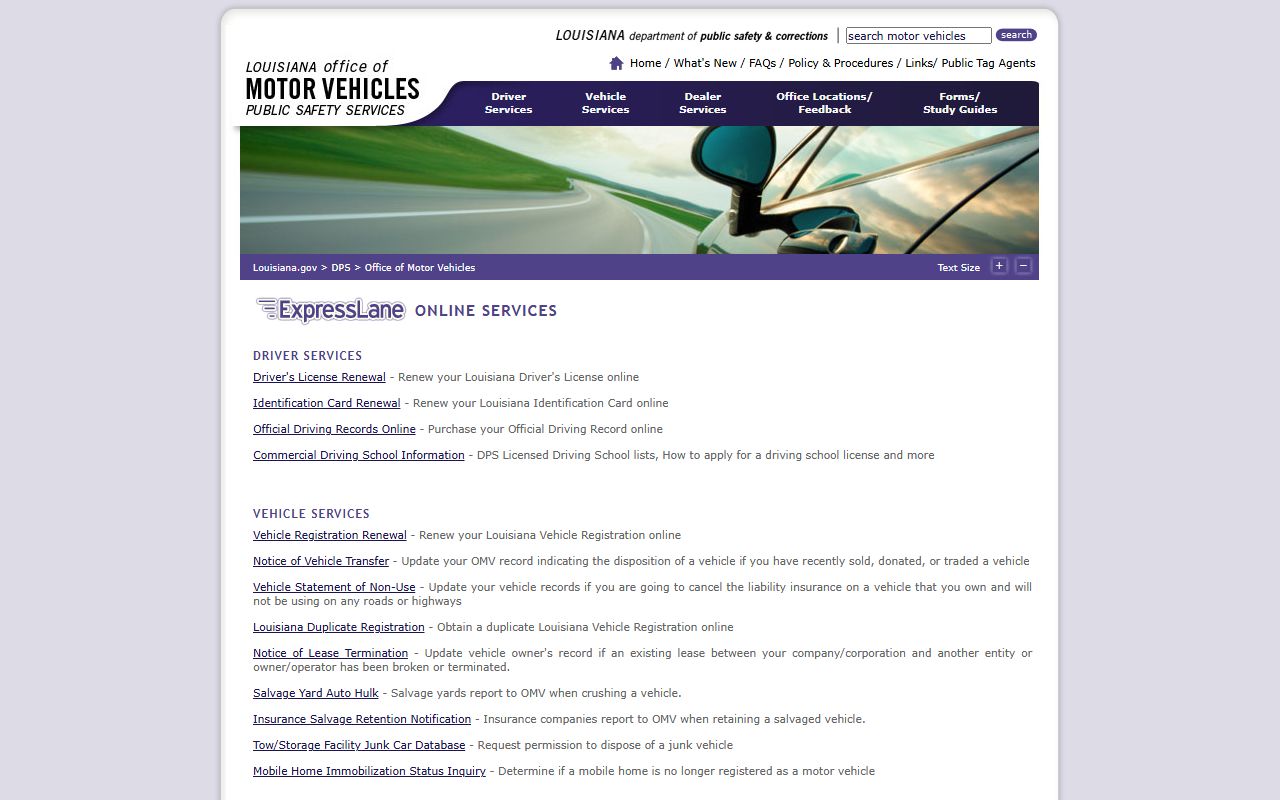
The portal also handles license renewals, vehicle registration, and other OMV tasks. Many services do not require a trip to the office at all.
Louisiana does not use a driver point system. This is different from most other states. A traffic conviction still goes on your record and can affect your insurance rates or result in license suspension for serious offenses. DWI and other major violations stay on record for 10 years or more. Standard traffic tickets typically remain for three years from the date of conviction. Payment of a ticket counts as a guilty plea, so the conviction is recorded whether you go to court or simply pay the fine.
How to Search Louisiana Traffic Ticket Records
The way you search for traffic ticket records depends on which parish handled the case. Many parishes have their own online search portals. Systems vary widely. Some use shared platforms like Clerk Connect, eClerks LA, or RAPID E-Search. Others require a subscription to access records from home. A few require an in-person visit to the courthouse.
For driving record searches, the OMV ExpressLane is the most direct path. It works statewide and covers all licensed drivers. For case-specific records, start with the parish where the ticket was issued. Louisiana's public records law, R.S. 32:393, ensures courts maintain complete records that the public can request. The clerk must respond to your request within three working days under R.S. 44:1.
To search traffic ticket records in Louisiana, you typically need:
- The parish where the citation was issued
- Your ticket number or case number
- Full name of the person cited
- Date of birth or driver's license number
In-person visits to the Clerk of Court are always an option. Staff can look up cases by name or case number and make copies. Bring a valid photo ID. Fees vary by parish and by the type of copy you need.
Paying a Louisiana Traffic Ticket
Many Louisiana courts offer online payment for eligible traffic tickets. One common system used across the state is CourtPay, run by GC Services. To pay online you need your ticket number and your date of birth or driver's license number. You also need a credit or debit card. Some courts add a convenience fee on top of the fine. Not all tickets are payable online.
Certain violations require you to appear in court. DWI and DUI charges cannot be paid online. The same goes for reckless driving, hit and run, accidents involving injury, driving under suspension, and in some parishes, speeding 15 or more mph over the limit. If your ticket lists a mandatory court date, you must show up. Failure to appear can result in an arrest warrant and suspension of your driver's license. Payment of any ticket, whether online or in person, is treated as a plea of guilty under Louisiana law. Your conviction will appear on your driving record once the court sends the abstract to the OMV. Courts must report this data under R.S. 32:393.2, which requires the Department of Public Safety to receive copies of all citations and accident reports.
Louisiana Traffic Ticket Records Content
The information in a traffic ticket record depends on whether you are looking at a court case file or an Official Driving Record from the OMV. A case file at the parish Clerk of Court holds the original citation, the ticket number, violation code, court dates, any plea entered, the final disposition, and the fine assessed. An OMV driving record gives a broader view of a driver's history.
An Official Driving Record from the OMV typically shows:
- Driver's license status (valid, suspended, or revoked)
- Accident history going back three years
- Traffic violations and convictions
- CDL status if applicable
- DWI or other serious conviction history
Recent tickets may not show up right away. Courts have 30 days to send abstracts to the OMV after a conviction. If a ticket is missing from your record, contact the OMV at P.O. Box 64886, Baton Rouge, LA 70896.
Louisiana Traffic Ticket Laws and Statutes
Louisiana law sets clear rules for how traffic records are created, stored, and shared. R.S. 32:393 requires every court in the state, including municipal and mayor's courts, to keep a full report of every traffic case. Courts must forward conviction abstracts to the OMV within 30 days of the conviction. This law applies statewide with no exceptions for small courts or rural parishes.
The state's public records law, R.S. 44:1, gives every Louisiana resident aged 18 or older the right to inspect public records. Traffic case files held by the Clerk of Court are public records. You do not have to state a reason for your request. The record custodian must respond within three working days. This applies to all 64 parishes. Under R.S. 32:398.2, it is unlawful for any officer or court to dispose of a traffic citation in any way not allowed by law. The chief administrative officer of each agency must keep a record of every citation issued and its final disposition.
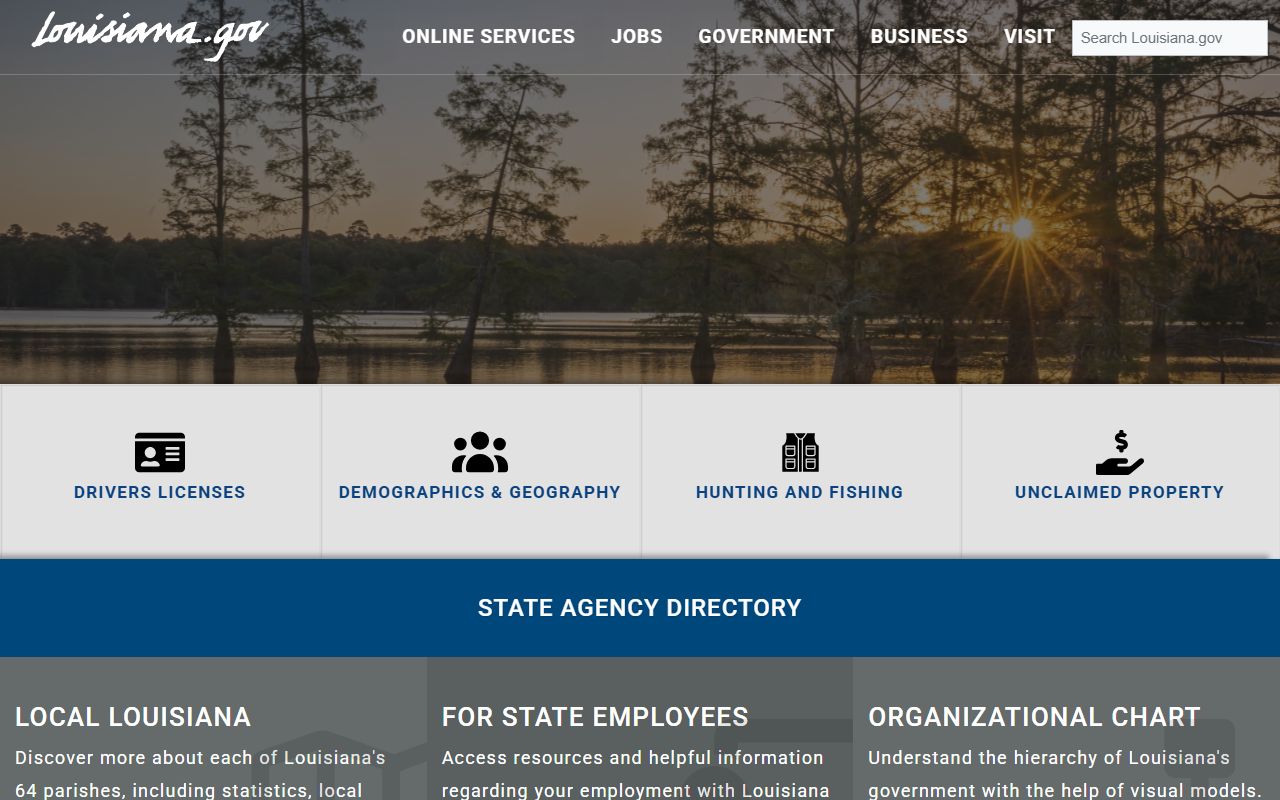
R.S. 32:393.1 requires the OMV commissioner to prepare and maintain records of all traffic offense convictions statewide. This centralized system means your driving history follows you regardless of which parish issued the original ticket.
Access Louisiana Traffic Ticket Records
Traffic ticket records in Louisiana are open to the public. Anyone can request case files from a parish Clerk of Court. You do not need to be a party to the case. Some records may have limited information redacted, but most traffic records are fully accessible under state law. The Louisiana state portal links to many official agency resources for finding courts and public records across the state.
If you need a certified copy of your driving record for a court proceeding, a job application, or any legal purpose, you must get it directly from an OMV office in person. Online records from the ExpressLane portal are not certified and are not accepted in all legal contexts. Parish Clerks of Court can provide certified copies of court case files for a per-page fee. Call the clerk's office in the parish where the ticket was issued before you visit to confirm current fees and hours.
Note: Online driving records from the OMV portal are valid for 30 days after purchase and are sent by email as a PDF.
Browse Louisiana Traffic Ticket Records by Parish
Each parish in Louisiana has its own Clerk of Court who keeps traffic records. Pick a parish below to find local contact info, court portals, and resources for that area.
View All 64 Louisiana Parishes
Traffic Ticket Records in Major Louisiana Cities
Residents of major cities deal with traffic tickets through their local court or the parish court system. Pick a city below to find specific resources for your area.